Magnificent Shorelines
Manawatū-Whanganui
Foxton Beach, Tangimoana, Whanganui Riverfront & More.
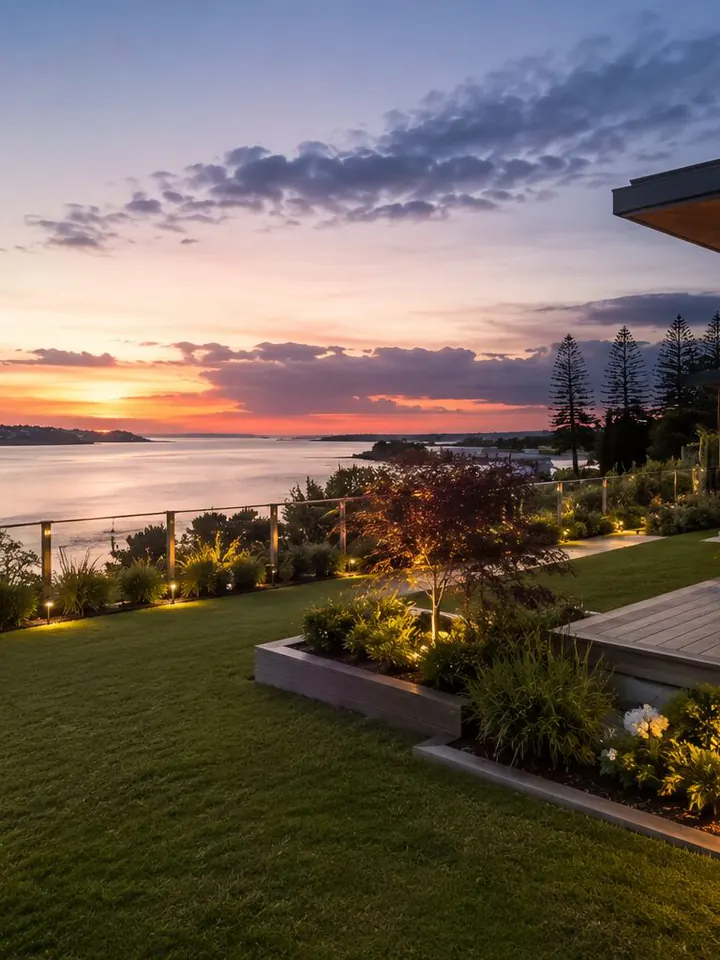
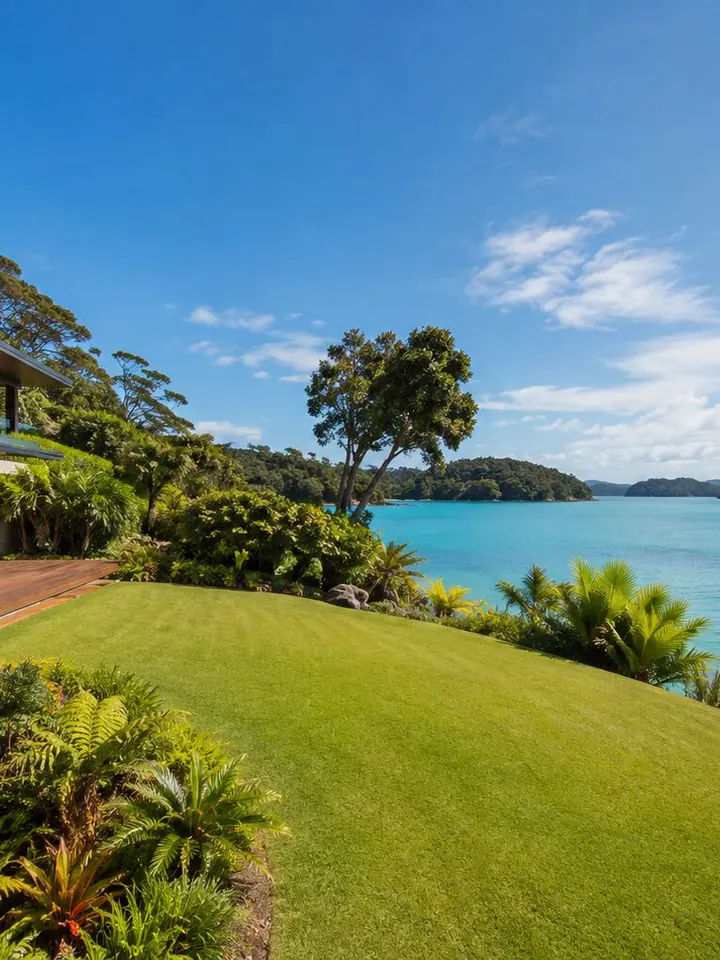
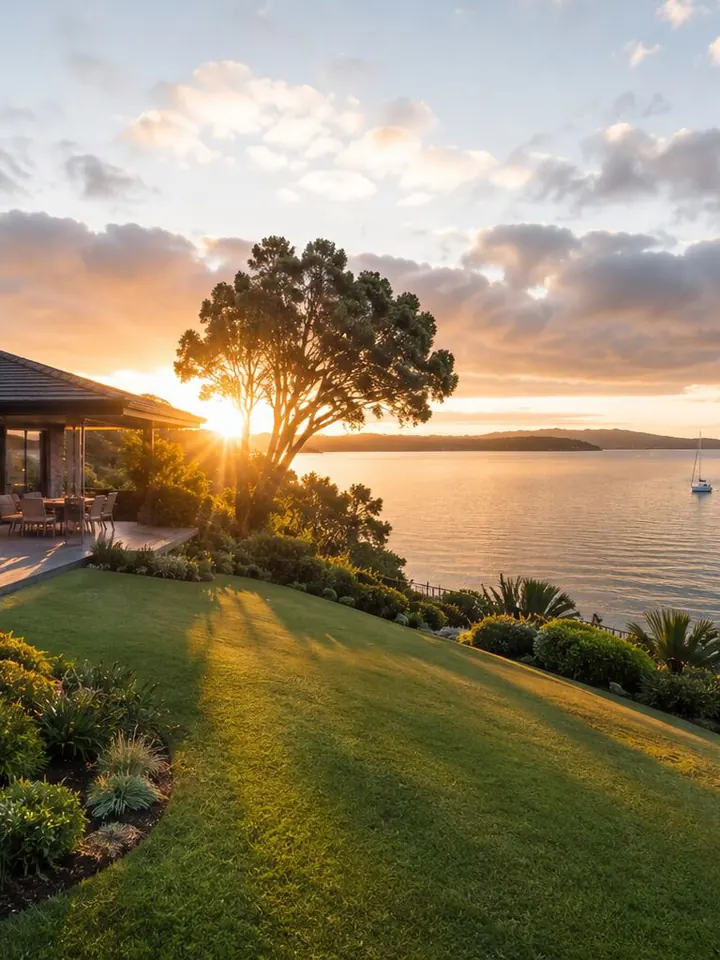
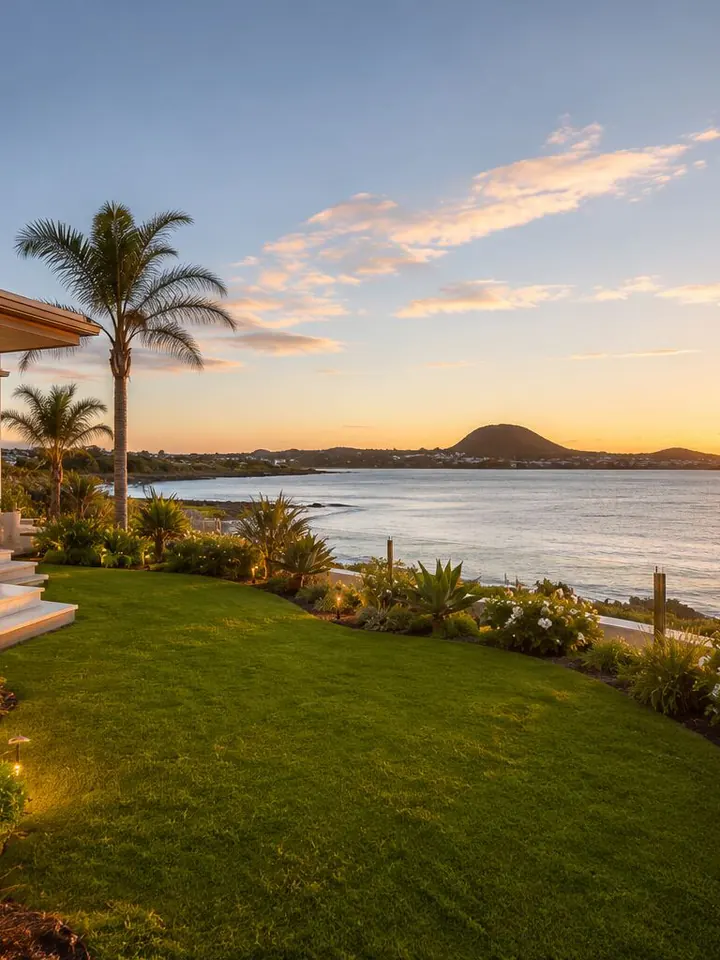
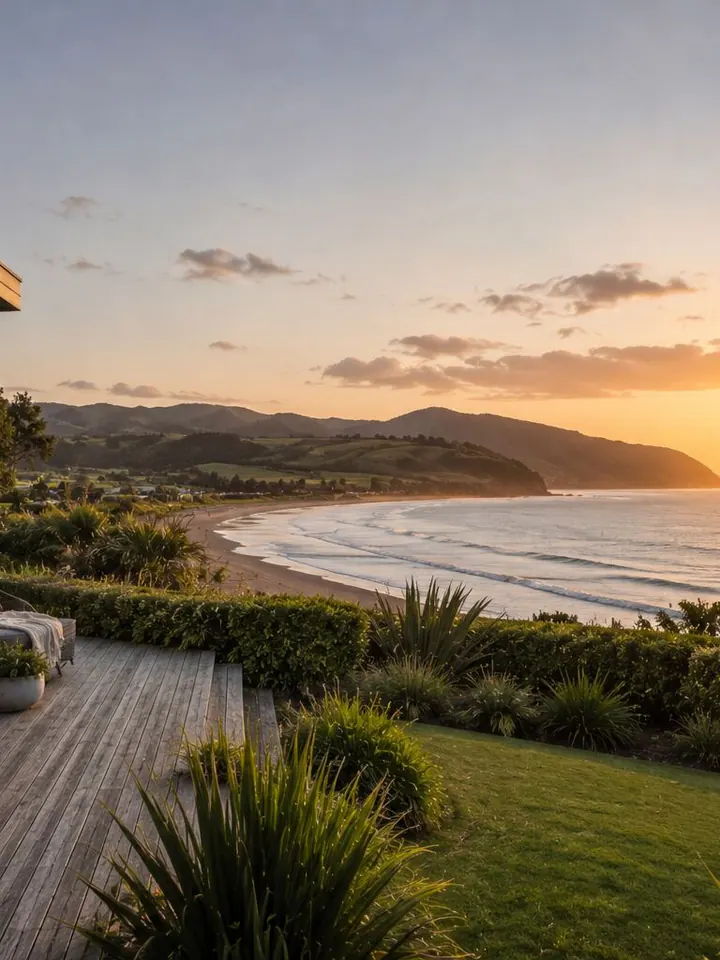
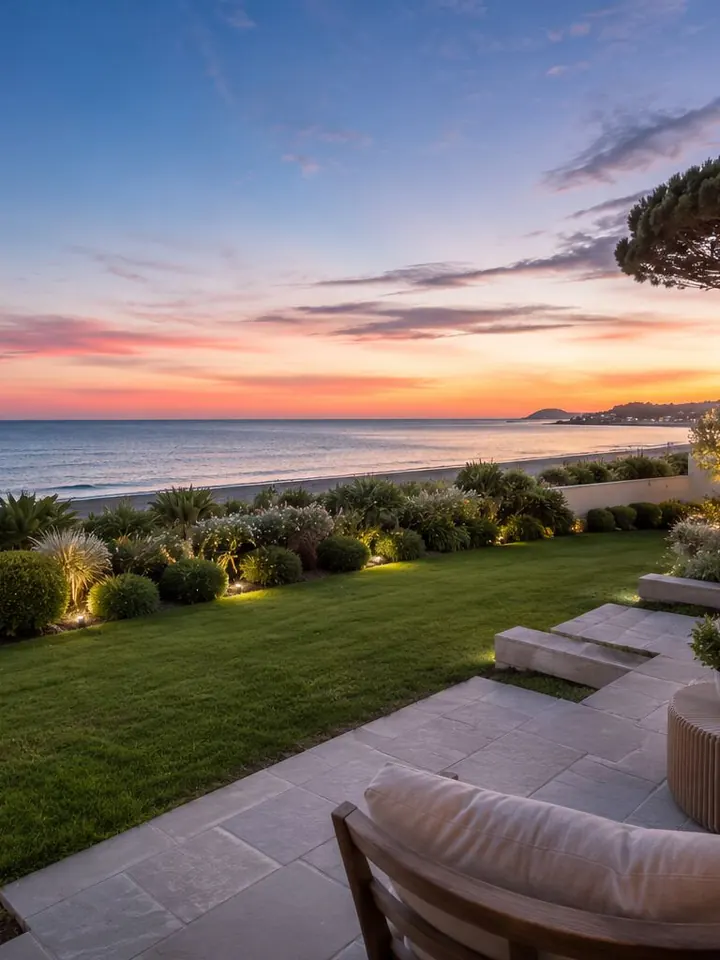
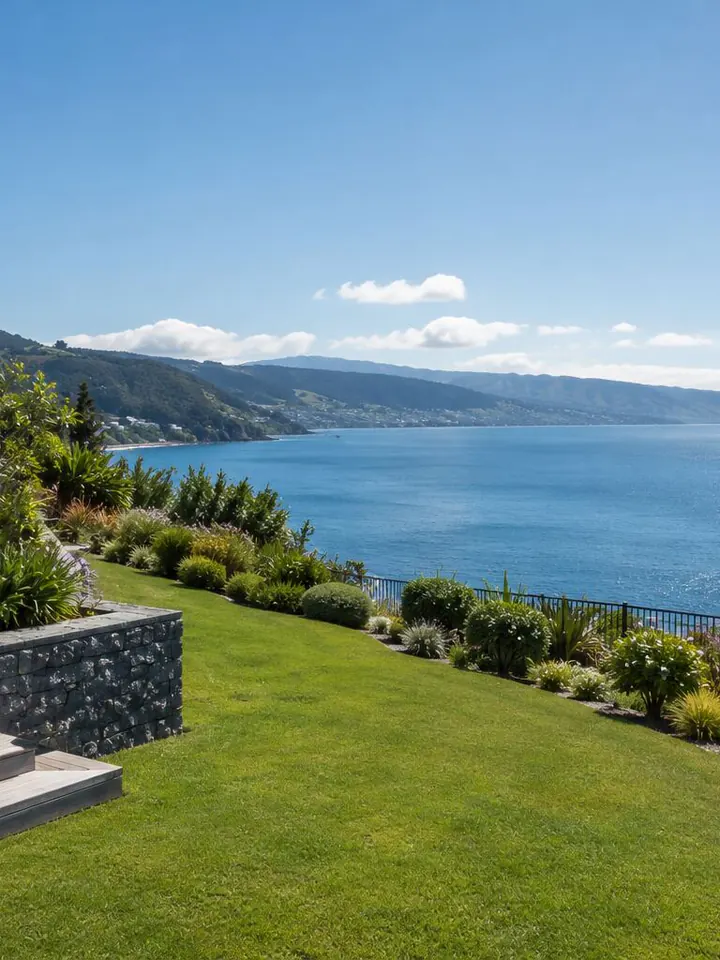
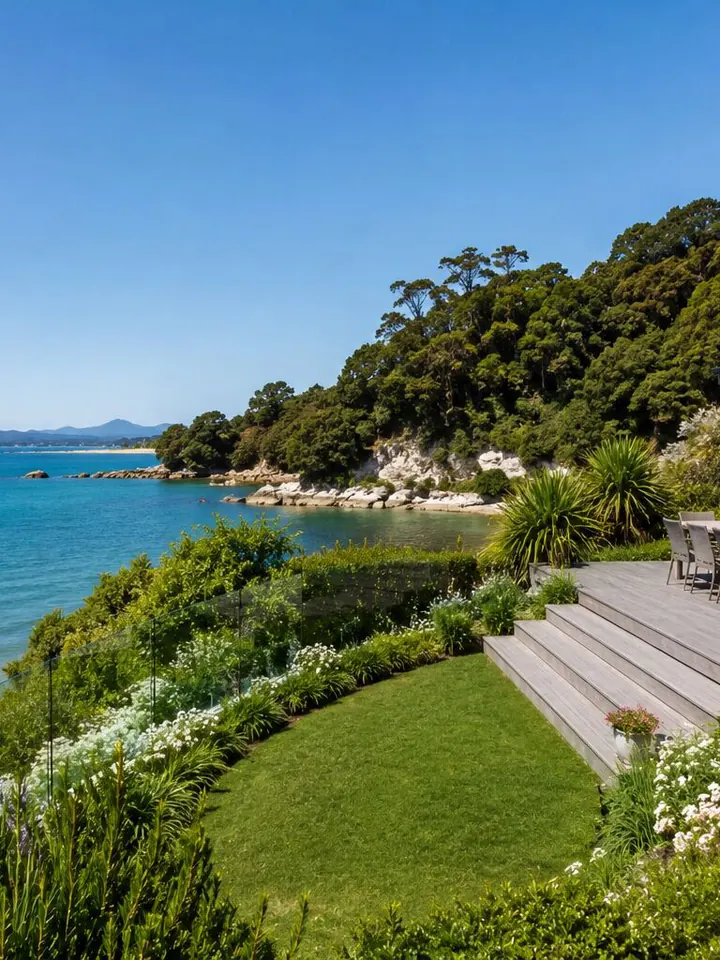
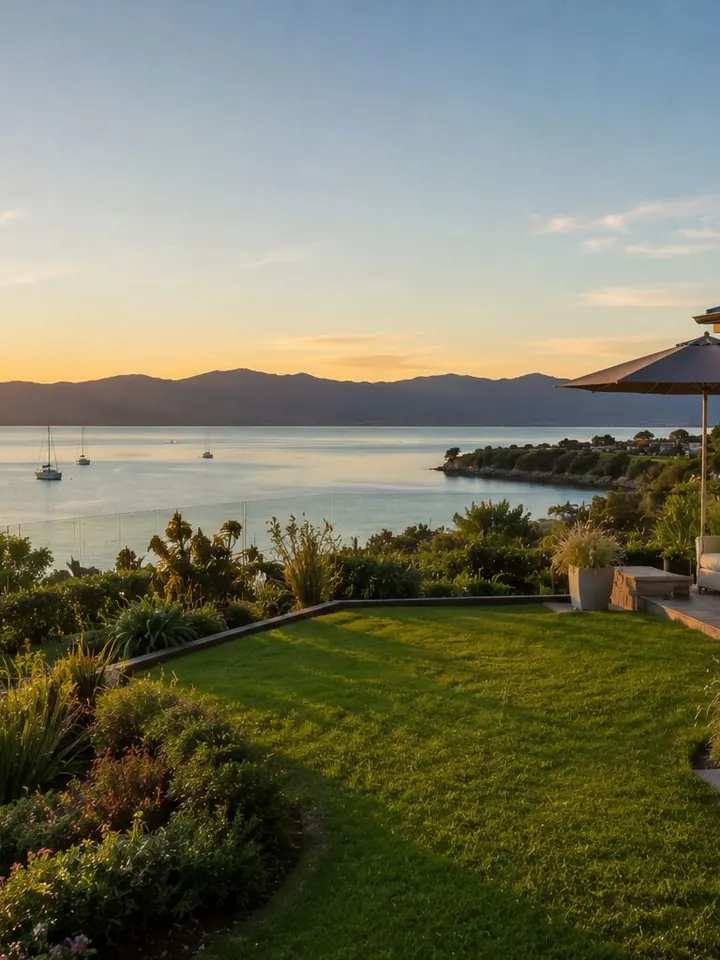
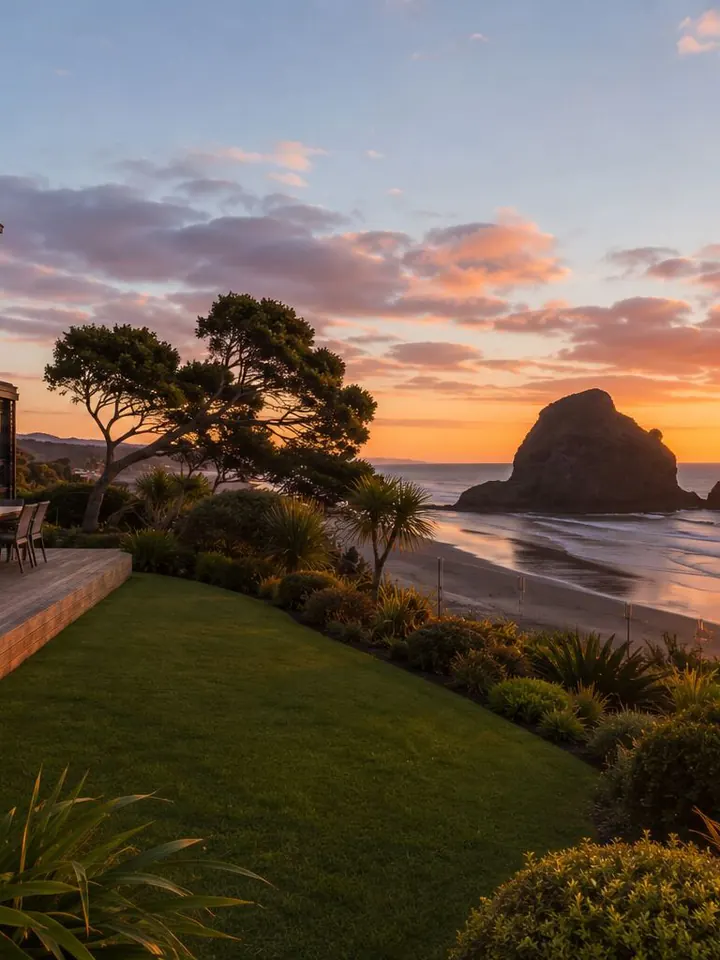
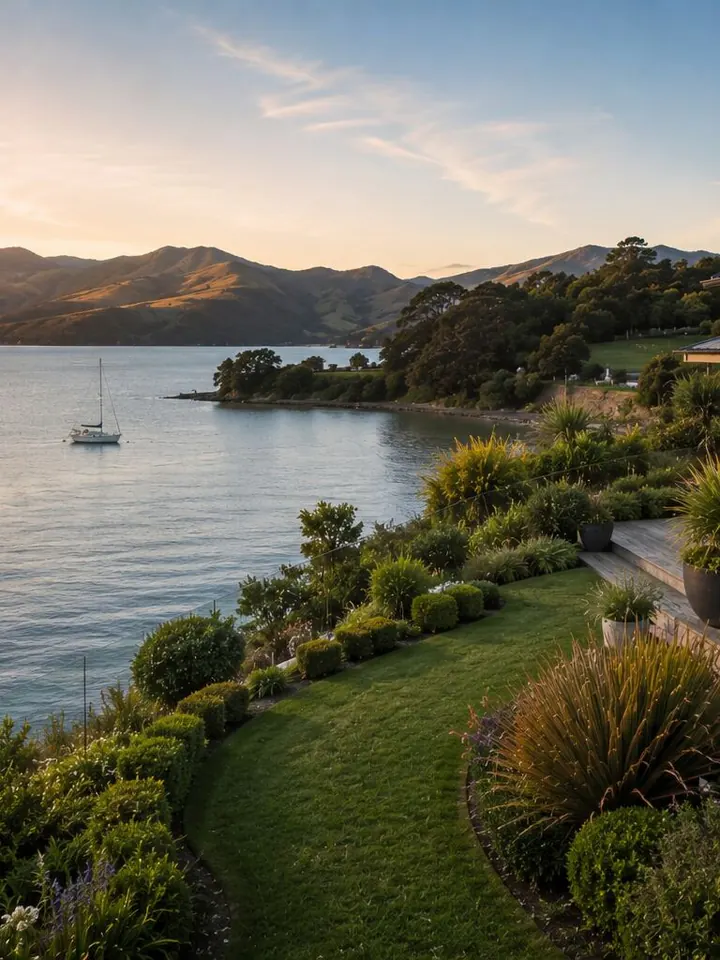
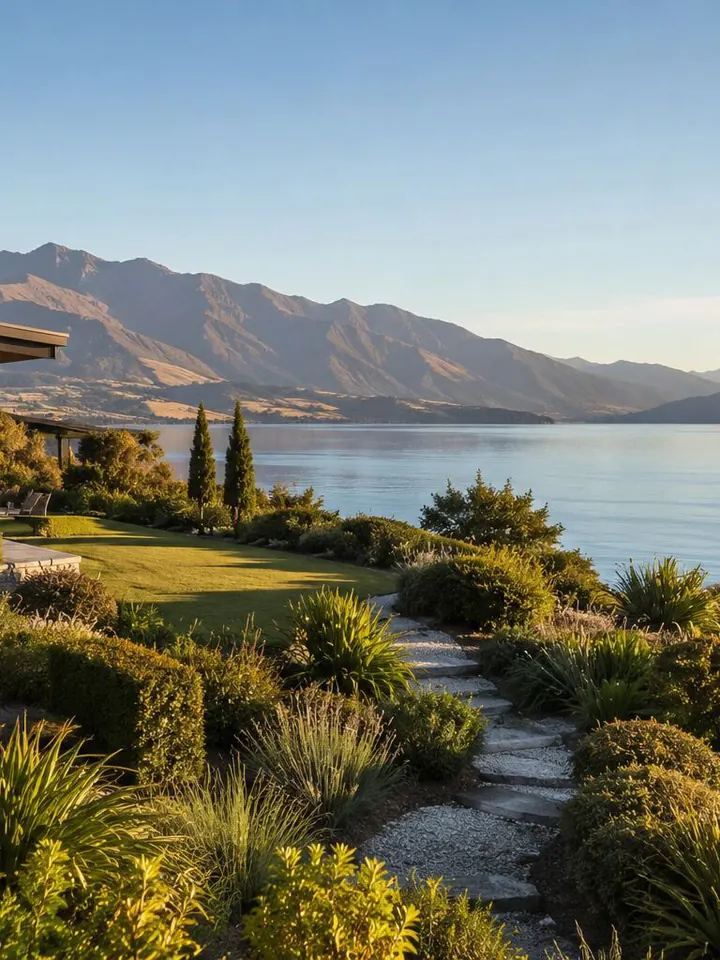
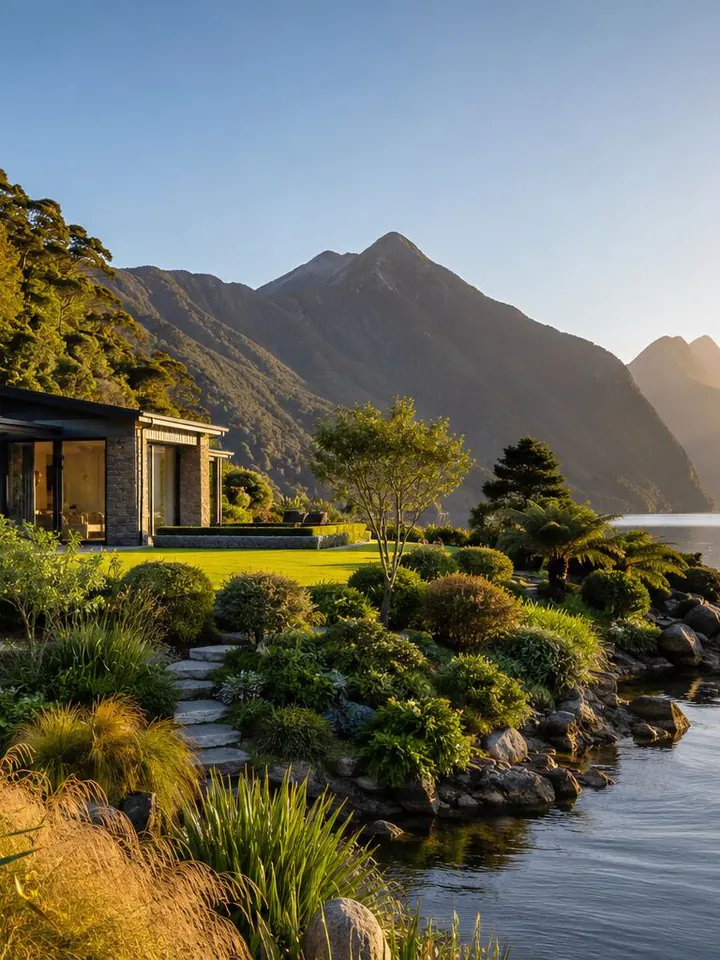
Manawatū-Whanganui reaches the Tasman Sea where the Whanganui River meets the coast, alongside long, wind-shaped beaches stretching south toward Kāpiti.
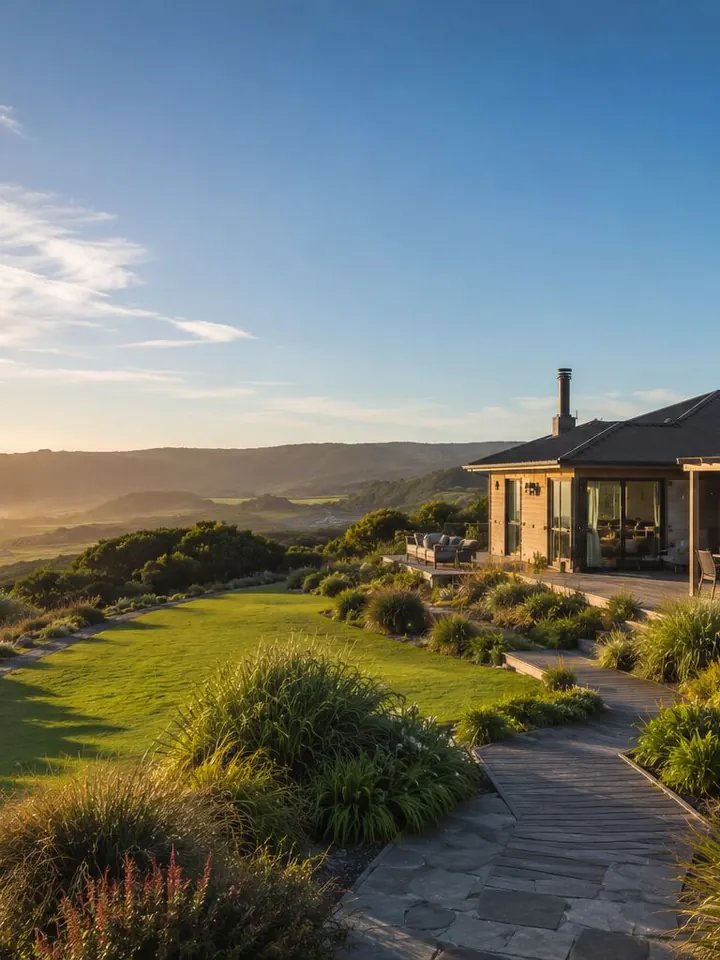
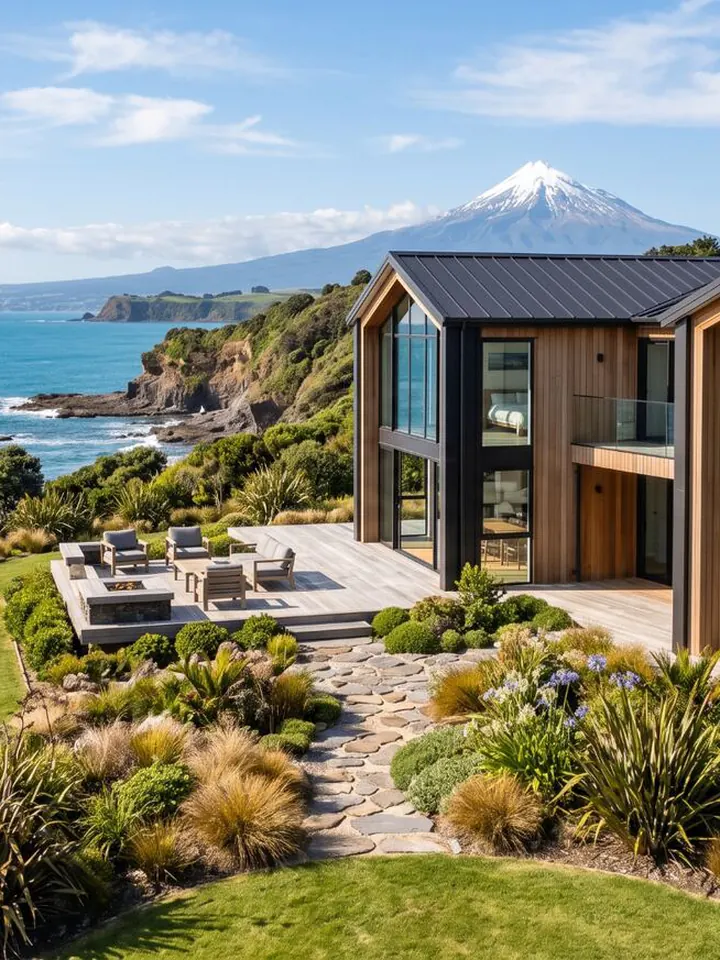
We list quietly along the river-mouth holdings, the dune country south of Whanganui, and the rural coastal blocks between Foxton and Himatangi.
Frequently asked
About Manawatū-Whanganui
- Where is Manawatū-Whanganui in New Zealand?
- Manawatū-Whanganui sits in the lower western North Island, reaching the Tasman Sea where the Whanganui River meets the coast and stretching south through long, wind-shaped beaches toward Horowhenua and the top of the Kāpiti Coast. Inland, the region extends up the Whanganui River and across to the Ruahine and Tararua ranges.
- What kind of waterfront properties does Exclusive Waterfront Properties list in Manawatū-Whanganui?
- We list carefully along the coast at Castlecliff and Mowhanau near Whanganui, along the open beaches through Tangimoana and Himatangi, and on rural coastal holdings between the river mouths — including beachfront homes, dune-edge retreats and coastal farming estates.
- Why is the Whanganui River significant?
- The Whanganui is one of New Zealand’s longest navigable rivers and holds deep cultural importance for Whanganui iwi. In 2017, it became the first river in the world to be granted legal personhood, recognising it as a living entity with its own rights and reflecting its central role in the region’s identity.
- How accessible is Manawatū-Whanganui?
- Palmerston North Airport offers regular direct flights to Auckland, Wellington and Christchurch, and the region sits on the main north-south road and rail routes through the lower North Island. Whanganui is roughly two and a half hours from Wellington and about an hour from Palmerston North, with the coast within about 20 to 30 minutes of either city.
Explore next